Build a comparable set
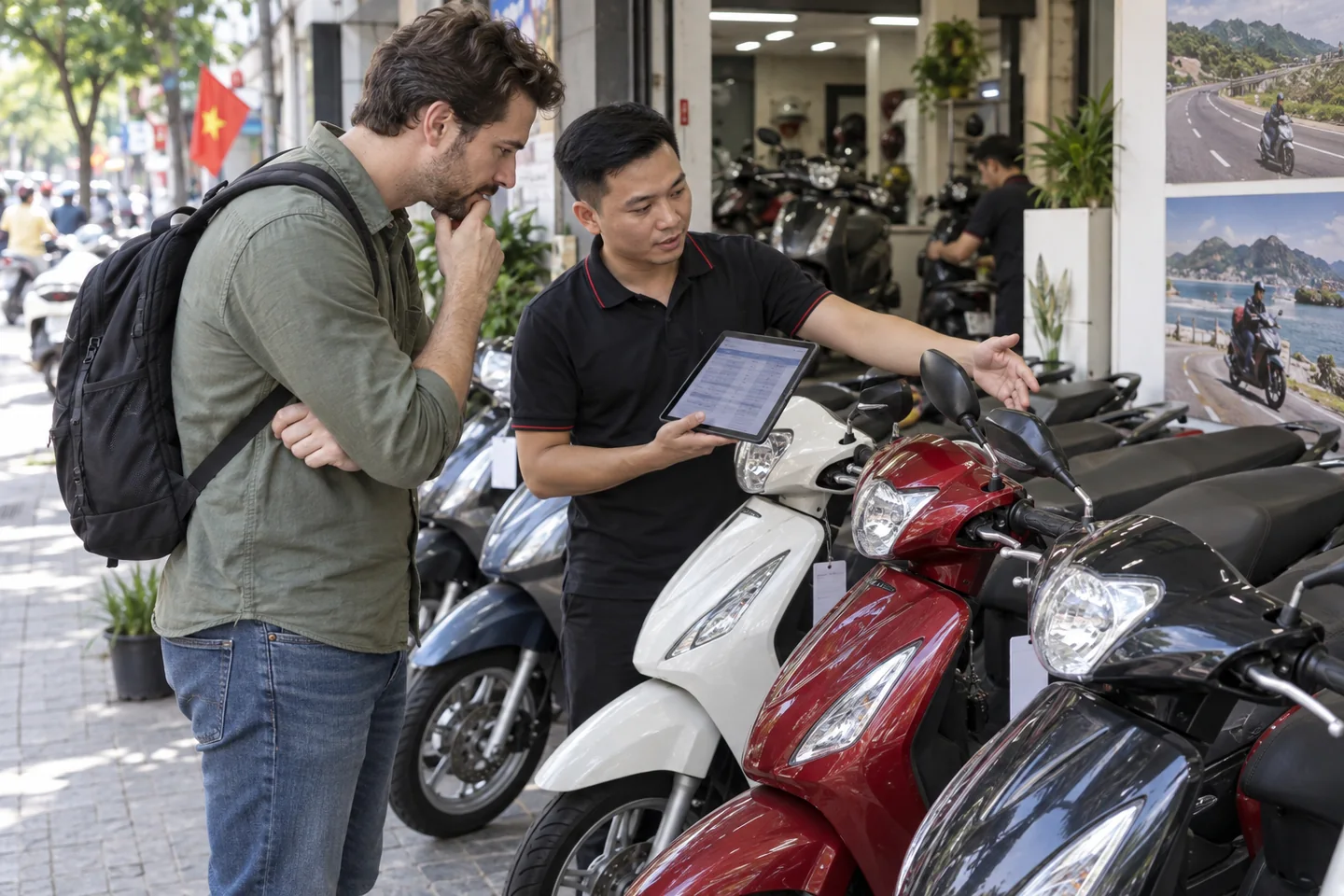
Keep model, approximate year, city, mileage, condition and document status close. Remove adverts with missing evidence, unclear prices or a different variant. An asking price is not proof of a transaction value.
Use a range, not the highest advert
The lowest result may involve damage or fraud; the highest may be an unrealistic expectation. Review several credible listings and note the middle area while keeping differences visible.
Add post-purchase costs
Include inspection, service, tyres, battery, transport and official procedures. The cheapest advert can produce the highest total cost.
Define a comparable market sample
Start with one exact model or a narrow group of equivalent variants. Limit the sample by city, approximate year, engine specification, document position and broad condition. Record the date because listings change. A mixture of unrelated models, damaged bikes and dealer-prepared examples can produce a number, but that number does not describe a useful market range.
Save each advert URL, asking price, displayed mileage, seller type, stated condition, service evidence, keys, documents, modifications and known faults. Mark missing data explicitly. Remove obvious duplicates and do not count the same bike again because it appears on several channels. An asking price is evidence of an offer, not a completed transaction.
Read the range without inventing precision
Sort the comparable asking prices and inspect the middle of the distribution. Investigate the lowest and highest entries rather than using them automatically. A low price may reflect urgency, damage, unclear documents, a misleading advert or a legitimate opportunity. A high price may include dealer preparation, accessories or simply an unrealistic expectation.
Use a median or a visible middle range when the sample is adequate. Avoid presenting a tiny or inconsistent sample as a reliable valuation. VietBike's estimator should report sample size and confidence, and should state when there is insufficient marketplace evidence. A language model or a single seller cannot create a trustworthy price from missing market data.
Adjust for facts you can inspect
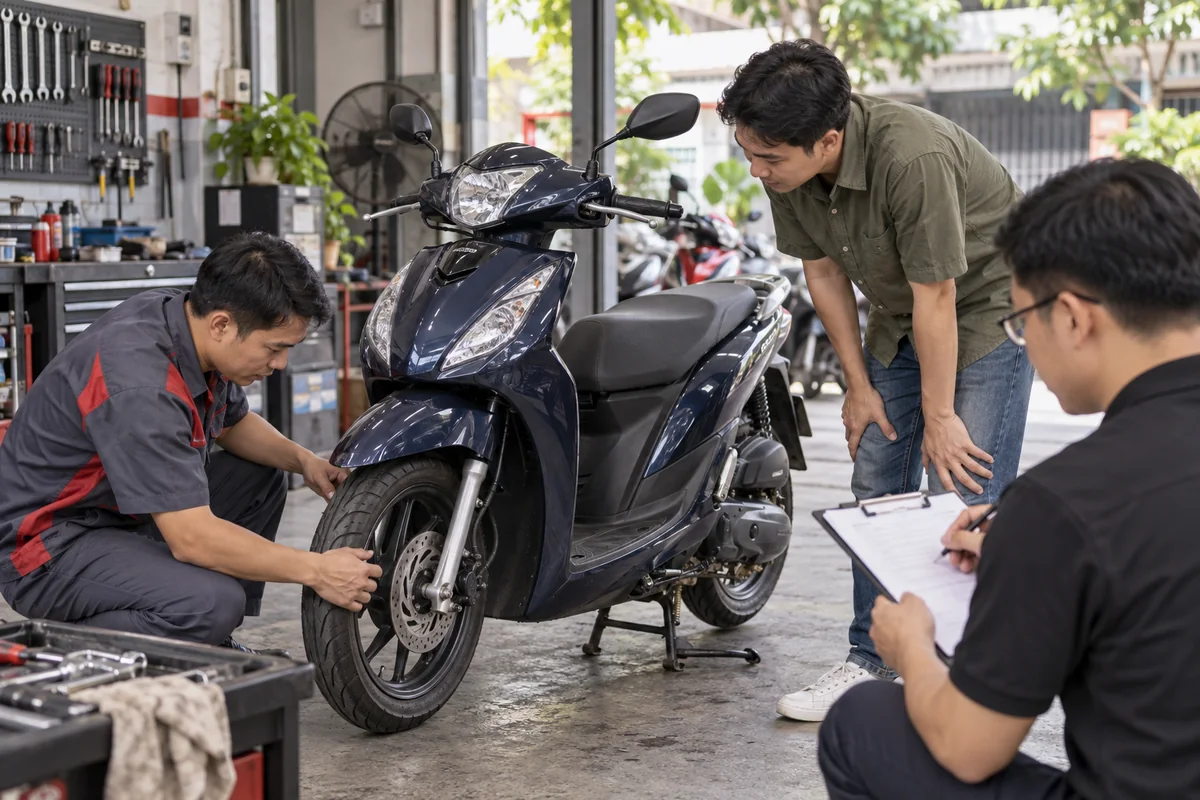
Create an inspection sheet for the candidate: tyres, brakes, steering, fork, suspension, leaks, engine start, idle, smoke, lights, instruments, locks, transmission, corrosion and repair evidence. Ask an independent mechanic to separate safety work, near-term maintenance and cosmetic preferences. Convert confirmed work into comparable estimates from the same assumptions used for other candidates.
Mileage affects a comparison only alongside age, maintenance and consistency with visible wear. A low displayed figure without supporting history should remain unverified. Modifications can reduce or increase practical value depending on quality, legality, original parts and the next buyer's needs; do not add their retail price to the bike automatically.
Calculate the buyer's total cost
Add asking price, inspection, immediate repairs, initial service, tyres, battery, protective equipment, transport, secure parking and applicable official expenses. Keep a contingency for uncertain findings. The best purchase price is the one that produces an acceptable verified bike within the full budget, not necessarily the smallest number in the listing grid.
Build three totals: optimistic, expected and stop-limit. The optimistic total includes confirmed minimum work. The expected total includes likely near-term maintenance. The stop-limit adds uncertainty without exceeding the money you can safely spend. Walk away when the evidence cannot support a total below that limit.
Treat documents as a separate value condition
Compare physical identifiers, originals and seller authority privately. Do not assign a positive value to an unclear document promise. Ask the competent official source what process and evidence apply to the particular parties and bike. A mechanically strong vehicle with unresolved identity or transfer questions cannot be priced as if those questions are already solved.
Keep account badges in context. Control of a Telegram or Zalo account does not prove ownership, and a document photograph is not authentication. Record the source and date of every official answer used in the decision.
Negotiate from the written evidence
Show the confirmed defects and comparable costs without inventing faults. Decide the maximum before negotiating and include the required reserve. A discount does not repair a safety issue or resolve a document mismatch. Reject pressure based on a price available only for minutes, a remote deposit or an unfamiliar payment channel.
At handover, record the parties, bike, known condition, keys, documents, accessories, final amount, payment method and transfer time. Confirm cleared funds in your own banking application and keep OTP and recovery codes private. Preserve the advert, inspection and maintenance record so a later valuation can rely on evidence rather than memory.
Repeat the sample after a meaningful delay if the decision is not urgent. Note which adverts disappeared, which prices changed and which bikes returned under new descriptions. These observations still do not reveal completed sale prices, but they expose unstable listings and show whether the original range was unusually narrow. Recalculate with the same inclusion rules so the comparison remains reproducible.