Stop when payment becomes a performance
Screenshots, countdowns, unfamiliar courier fees and requests to “unlock” funds are not confirmation. Check money through your own bank and never share an OTP, recovery code or screen-control access.
Avoid paying for an unseen promise
An urgent deposit before inspection carries substantial risk. Verify the person, bike and location, and understand any written refund condition before considering a reservation.
Return to verified comparisons
Record the handover
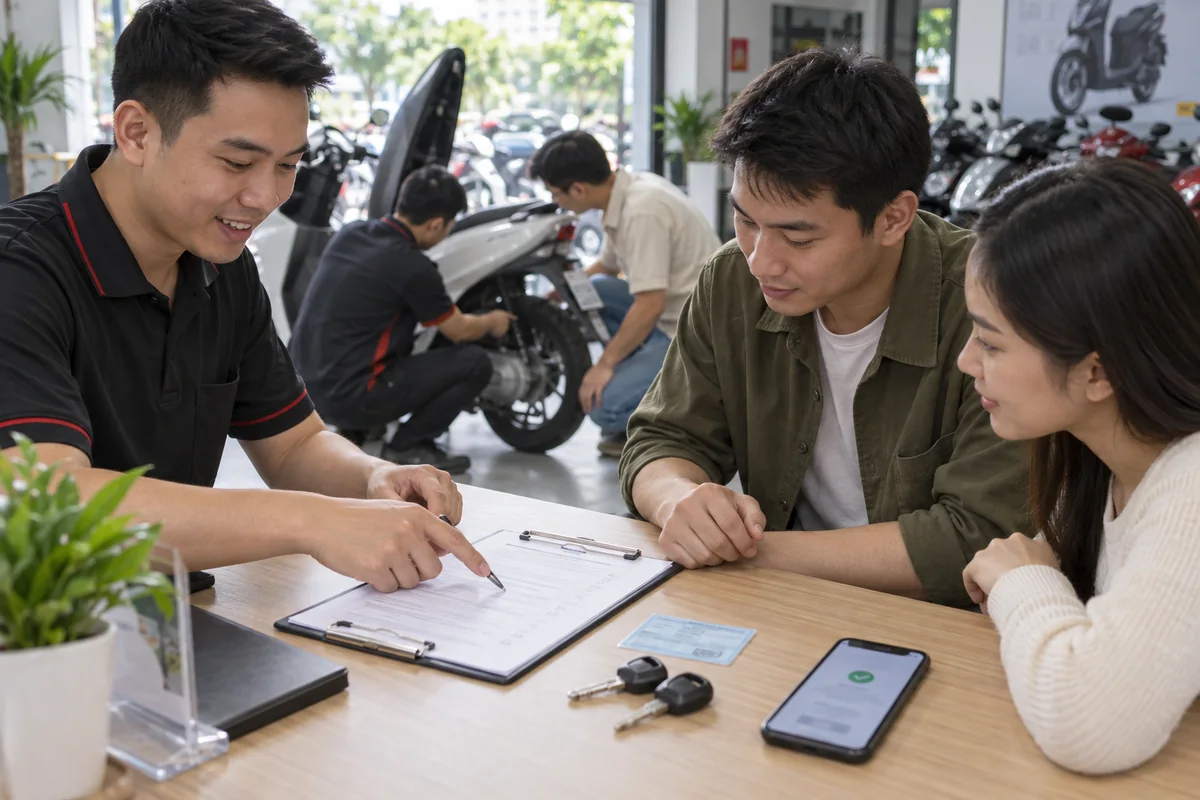
List the bike, known condition, keys, documents, amount, payment method and transfer time. Release originals and keys only when agreed conditions are actually met.
Define the transaction before choosing a payment method
Write down the parties, exact bike, known condition, documents, keys, accessories, total price and the result that each side expects. Then divide the exchange into observable steps. A phrase such as “payment after paperwork” is too vague: identify which document or official result, who verifies it, when physical custody changes and what happens if the expected result does not arrive.
Keep the technical inspection, seller-authority check and official process separate. A successful test ride does not prove authority to sell, and possession of a card does not show that every required step is complete. Resolve every necessary condition before the final payment rather than using money as a substitute for verification.
Recognise pressure patterns early
Pause when the seller requests a deposit before viewing, introduces a delivery company you cannot verify, changes the receiving account, moves the meeting unexpectedly or claims another buyer will pay within minutes. The same rule applies when a buyer asks the seller to pay a release fee, refund an accidental overpayment or follow a banking link. Urgency can be genuine, but it does not remove the need for independent checks.
Do not install remote-access software, share a screen, disclose an OTP, recovery code or complete card details, or approve a login prompted by the other party. A bank, marketplace or payment provider should be contacted through a channel you locate independently. Treat links and telephone numbers supplied in transaction messages as unverified.
Confirm the person and bike
Meet in a safe, well-lit place and compare the attendee, proposed contracting party and seller information. If an agent or representative participates, verify their authority through the applicable current process. Platform account verification may show control of an account; it does not prove ownership of the specific motorbike.
Compare physical identifiers with available originals privately, keeping personal and complete vehicle numbers out of public chats. Do not alter an unclear marking or accept a document belonging to another bike. Record discrepancies and ask the competent official source how they must be handled. A discount does not resolve an identity or document problem.
Select a verifiable payment route
Choose a method both parties understand and can verify independently. Record the exact recipient and amount before initiating it. Recheck those details through an agreed channel when they change. For bank payment, the recipient verifies cleared funds in their own official application or directly with the institution. A screenshot, SMS displayed on another phone or “pending release” page is not confirmation.
Cash requires an agreed safe location, counting method and written acknowledgement. Do not carry a large amount to an isolated meeting. If a provider or intermediary is used, verify its identity, terms, fees, dispute process and authority independently. VietBike's Safe Deal is a coordination workflow; it does not hold customer funds and must not be described as escrow without an enabled licensed provider and legal review.
Control the handover sequence
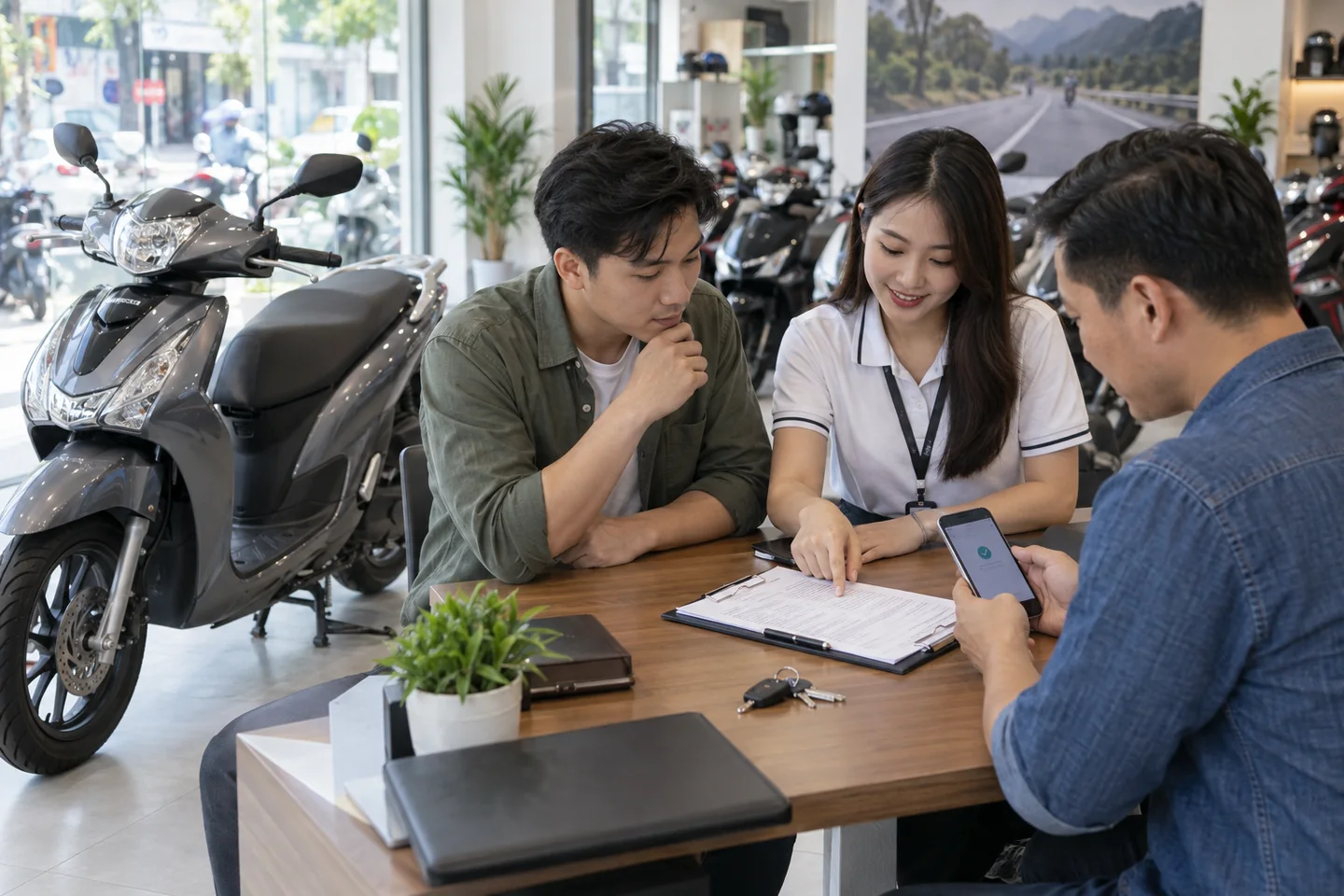
Create a checklist that both sides can follow. Confirm the final physical condition, odometer, keys, originals and accessories against the inspection record. State when the payer initiates payment, when the recipient confirms cleared funds and when the bike, keys and documents change custody. Both parties receive a copy with the exact time.
Do not sign a blank form or text you do not understand. Use an independent translator for material terms. If an original is temporarily held by an intermediary, the receipt should identify the item, holder, purpose, return condition and deadline. Retain only necessary copies and store personal data securely.
Prepare a written failure path
Before sending money, agree what happens if the transfer is delayed, a bank flags the transaction, the official process cannot complete or a required document differs from the description. Specify how funds, keys, originals and the bike return to their prior holders. Do not improvise a second payment route under pressure.
If suspicious activity occurs, stop communicating through supplied links, preserve the advert and messages, contact the financial institution through its official channel and use the appropriate reporting route. Avoid confronting a suspected scammer alone. Do not publish personal information while seeking help.
Preserve a minimal transaction record
Keep the final agreement, inspection summary, handover inventory, cleared-payment evidence and relevant official result in a private folder. Record the listing URL and date because the advert may change or disappear. Limit access and delete unnecessary duplicate identity images. These records support later servicing, questions and resale, but they do not create a legal status that the official process has not confirmed.
After collection, arrange secure storage and required safety work before riding. Recheck that the agreed documents and keys are present. If any material item is missing or the payment state changes unexpectedly, follow the written failure path and obtain qualified help rather than accepting a new verbal promise.