Compare riders and use cases
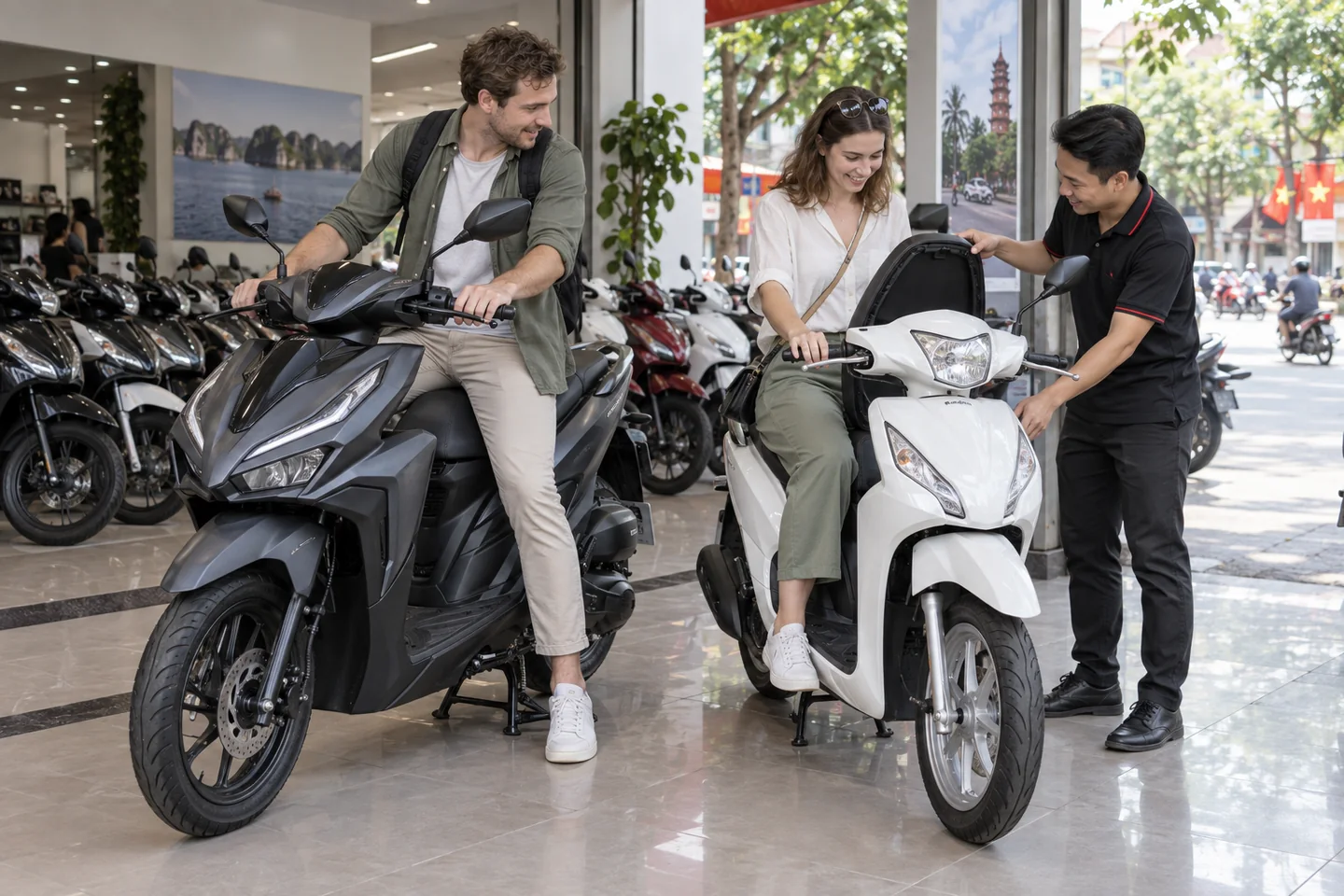
Seat feel, foot placement, storage, passenger needs and local service matter. Sit on both models and test the controls before comparing styling or advertised performance.
Compare like with like
Use similar years, versions, mileage and document status. On each bike check cold start, transmission behaviour, brakes, tyres, suspension, lights, keys and maintenance evidence.
Let condition decide
The better individual bike may be the one with clearer history and fewer unresolved defects. Keep a reserve for initial maintenance and obtain an independent inspection when uncertain.
Compare the exact bikes, not the model names
Honda Click and Honda Vision cover overlapping everyday needs, but a useful comparison begins with the actual year, variant, engine specification and condition of each candidate. Build a table with the same fields: asking price, displayed mileage, service evidence, keys, documents, known faults, modifications and inspection findings. A well-kept example of either model can be a better decision than a neglected example of the model you initially preferred.
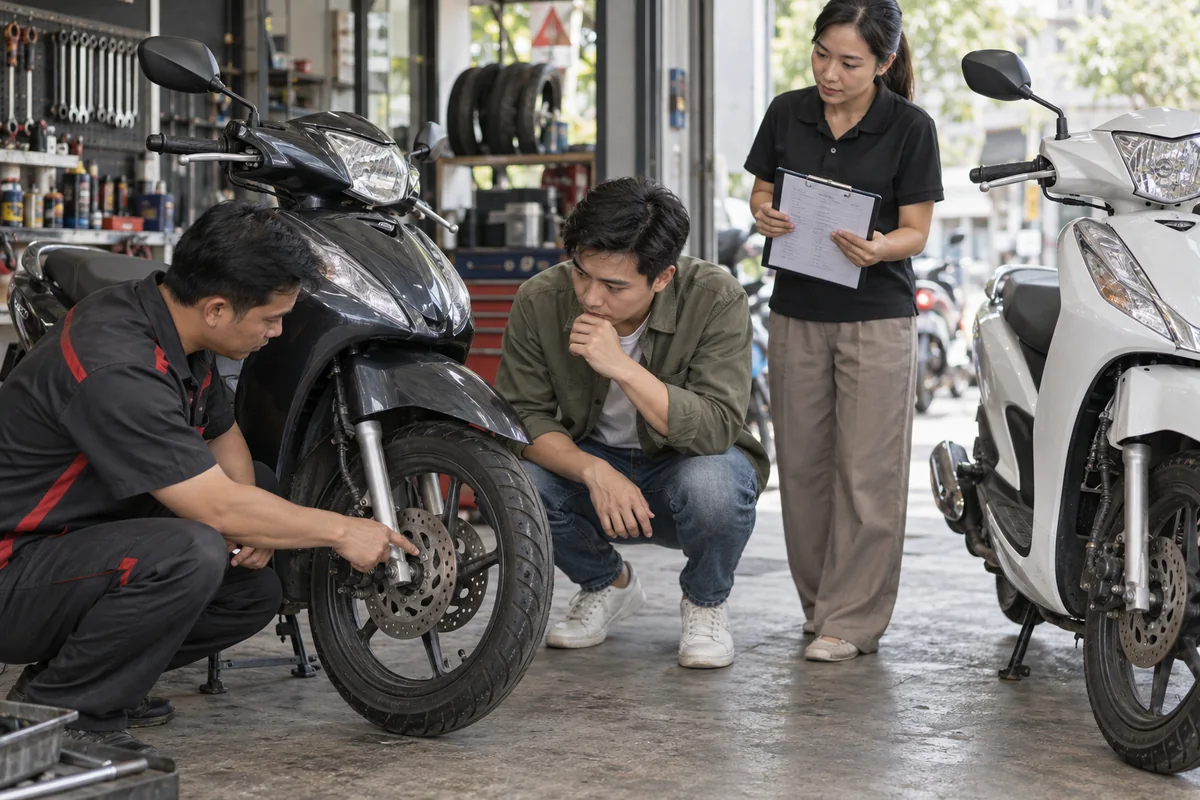
Record your own use before looking at features. Include rider height, passenger frequency, luggage, parking space, typical traffic, longer journeys and access to service. Sit on both candidates, place both feet securely, reach every control and move each bike with the engine off. Check whether the seat, floor area, storage and lock points work with the items you actually carry.
Screen comparable listings
Compare similar years and variants in the same city. Save the advert and ask for current daylight photos of both sides, controls, dashboard, tyres, under-seat area and disclosed damage. Request the displayed mileage, number of keys, service history, accident repairs and exact document inventory. Treat every unsupported claim as unconfirmed rather than false or true.
Do not infer condition from clean plastics or a familiar badge. Replacement panels, accessories and fresh paint can be harmless, but their cause and installation quality still need inspection. Avoid paying a deposit to obtain a viewing. Stop if the seller changes the bike, location, documents or price structure unexpectedly.
Inspect both candidates in the same order
Ask for a cold engine and begin with tyres, brakes, fork, steering alignment, suspension, leaks, fasteners, panel gaps, corrosion and wiring changes. Compare visible wear with the stated mileage and maintenance story. Photograph agreed defects and ask an independent mechanic to identify what is known, what remains uncertain and which further check would resolve it.
During the cold start, observe starting effort, idle, smoke, warning indicators and unexpected sounds. Test lights, horn, instruments, locks, charging where fitted and each brake. Evaluate transmission response and low-speed control only in a lawful, insured and safe test context. Do not use a short ride to diagnose internal condition or to test speed in traffic.
Create three repair groups: safety work before use, scheduled maintenance and cosmetic preferences. Obtain comparable estimates. Use the same workshop assumptions for both candidates so the model you already like does not receive more generous costing.
Evaluate ownership cost
Add the purchase price, independent inspection, immediate service, tyres, battery, protective equipment, secure parking, transport and identified repairs. Consider the availability of routine parts and a workshop familiar with the exact variant. Do not assign a precise resale value without evidence; instead record the factors that would make a later sale easier, including clear documents, standard condition and service history.
Compare the total with your budget and leave a reserve for unresolved findings. Accessories have value only when useful, safely installed and included in writing. They should not hide the cost of overdue brakes, tyres or maintenance.
Verify the transaction independently
For the chosen bike, compare physical identifiers with the available originals and the seller's authority. Keep full identifiers private. Ask the relevant official source what current registration, transfer and riding requirements apply to the parties and bike. A correct model comparison cannot resolve a legal or document discrepancy.
Write the handover inventory with the parties, bike, known faults, keys, documents, accessories, amount, payment method and exact time. Confirm cleared funds through your own banking channel and keep OTP and recovery codes private. Agree on a fallback before payment if a required official step cannot be completed.
Make the final choice
Score fit, verified condition, immediate work, evidence quality and total cost separately. Add a note for unresolved questions rather than hiding them inside a low score. Review the table away from the seller and reject any candidate that fails a necessary safety or document condition. The result may favour either model, or neither.
Arrange secure parking and initial service before collection. After maintenance, learn the controls on familiar routes and return to the workshop if braking, handling, warning lights, leaks or sound changes. Preserve the inspection and service record for future maintenance and resale.