Screen the listing before you travel
Ask for current daylight photos, the exact model and year, known faults, service history, keys and available ownership documents. Save a copy of the advert. A request for an urgent deposit before viewing is a reason to stop, not a reason to hurry.
Inspect the actual bike
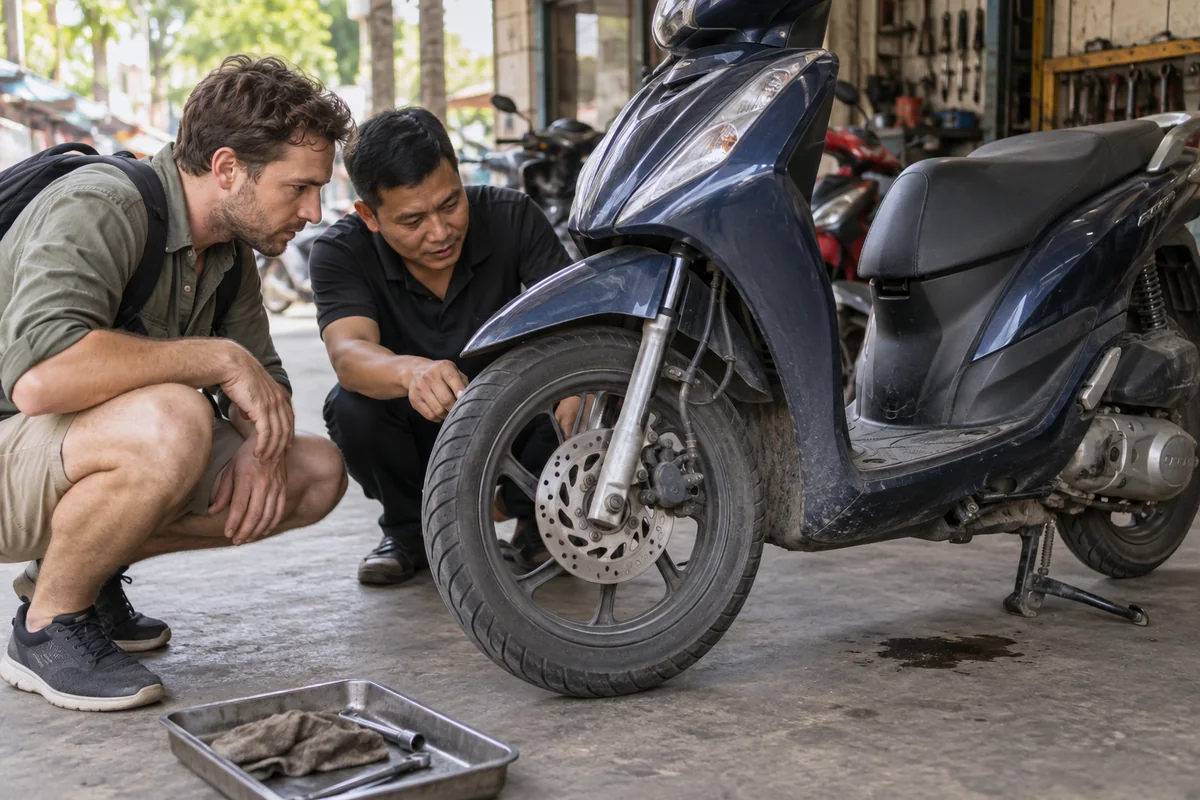
Arrange a cold start and check tyres, brakes, steering, suspension, lights, leaks and repair marks. Match the bike, documents and seller details. For a meaningful purchase, an independent mechanic is usually more valuable than a cosmetic accessory.
Control payment and handover
Record the bike, price, condition, keys, documents and time of transfer. Confirm cleared funds in your own banking channel and never share an OTP or install a payment app at another party's request.
Build a written shortlist
Use the same fields for every candidate: exact model and variant, approximate year, displayed mileage, location, asking price, document status, known faults, service evidence and number of keys. A consistent shortlist exposes missing information and prevents an attractive photograph from becoming the main decision criterion. Keep the original advert URL and screenshots because descriptions can change.
Ask the seller for a new set of unfiltered photographs taken in daylight. Include both sides, front, rear, dashboard, tyres, controls, under-seat area and any damage. A requested current detail can help show that the seller has access to the bike, but it does not prove ownership. Do not ask anyone to post complete frame, engine or identity numbers in public messages.
Decide your stop conditions early
Examples include identifiers that do not match, refusal of an independent inspection, a different person or location appearing at the last moment, pressure to hide the real price, or a demand for payment through an unfamiliar service. A rule chosen before the meeting is easier to follow than a judgement made under pressure.
Run the viewing in a fixed order
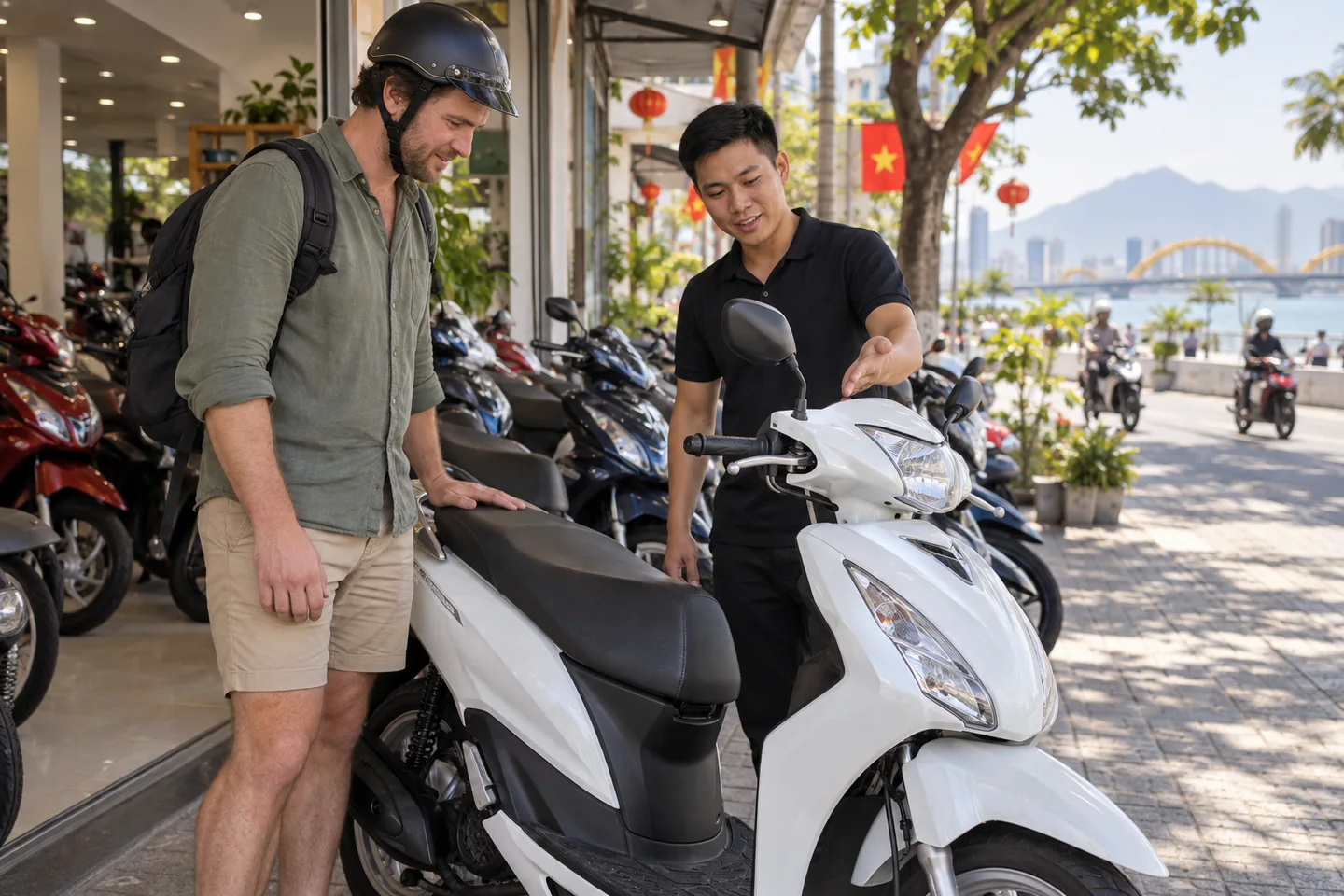
Begin with the person, documents and bike identity, then inspect the bike before it is started. Look for leaks, uneven panel gaps, damaged fasteners, corrosion, tyre condition and wear that conflicts with the story. Ask the seller not to warm the engine in advance. A warm arrival is not proof of a defect, but it removes useful cold-start information.
After starting, observe idle quality, smoke, warning lights and unusual sounds. Check lights, horn, instruments, steering, suspension and both brakes. Do not diagnose a fault from one symptom unless you are qualified; record it and obtain an independent assessment. A test ride should happen only when the rider's legal entitlement, insurance position, protective equipment and the owner's permission are all clear.
Separate repairs into three groups
List safety-critical work, normal near-term maintenance and cosmetic preferences. Use written workshop estimates where possible. This keeps negotiation tied to evidence and stops optional accessories from being treated as equivalent to mechanical condition.
Write down the final deal
The handover record should identify the parties and bike, known condition, included keys and accessories, documents, amount, payment method and exact handover time. Read every field and never sign a blank or untranslated form. If language support is needed, choose an independent translator rather than a person paid only when the sale completes.
Confirm cleared funds through your own bank. A screenshot, SMS shown on another phone or a claim that money is “pending release” is not settlement. Never disclose an OTP, recovery code or remote-screen access. Transfer keys, originals and the bike only when the agreed conditions are actually satisfied.
Turn the inspection into a decision
Bring a short comparison sheet to each appointment. Give every candidate the same fields: asking price, exact version, recorded mileage, service evidence, available originals, number of keys, observed defects and unanswered questions. Record what you actually saw separately from what the seller reported. A clean-looking engine is an observation; a claim that it has never been repaired remains a claim unless supported by evidence.
Ask the mechanic to separate findings into three groups: work needed before riding, maintenance that can be planned, and cosmetic preferences. Request an explanation of uncertain findings and what additional inspection would resolve them. Do not convert every noise into a precise repair estimate yourself. If a component cannot be checked without dismantling, agree on permission and responsibility before anyone removes it.
After the appointment, compare the purchase price plus identified work with your total budget. Keep an allowance for unresolved maintenance rather than spending the entire reserve on accessories. A seller's willingness to lower the price does not resolve an unanswered ownership question or make a structural defect acceptable. Write down the reason for proceeding, postponing or walking away while the details are fresh.
Organise the first day of ownership
Before collection, arrange secure parking and decide how the bike will reach it. If the inspection identified a problem affecting safe use, organise transport and workshop intake instead of assuming that a short ride will be harmless. Confirm which keys, manuals, receipts and accessories will accompany the bike. Photograph its condition at collection with the other party's agreement.
Keep a private handover folder containing the agreed inventory, inspection notes and payment confirmation. Record the first maintenance appointment and the questions still awaiting an answer. Avoid sharing that folder through a public link: it may contain identifying information about both parties. This simple record makes subsequent servicing and an eventual sale easier to explain without relying on memory.