Filter before arranging viewings
Set a total budget that includes initial service, then choose model type, year range, documents and a practical viewing area. Compare several similar bikes instead of anchoring on one advert.
Ask for evidence, not urgency
Fresh photos and a cold-start video can rule out wasted trips. Refusal to show the bike, inconsistent location details or a deposit-only reservation should end the conversation.
Search Ho Chi Minh City listings
Inspect in daylight
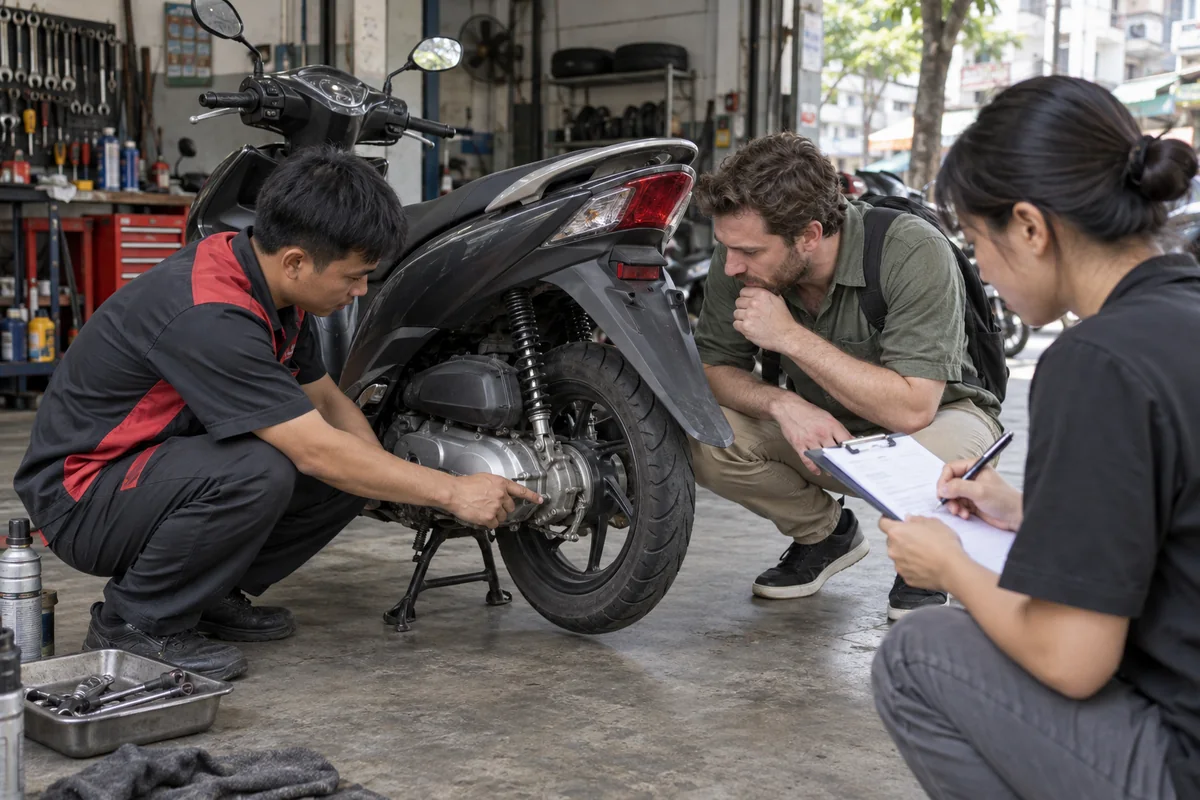
Meet in a safe place, bring an independent mechanic when appropriate and record defects before discussing the final price. Confirm documents and payment before the handover.
View bikes in Ho Chi Minh City
Build a shortlist for Ho Chi Minh City
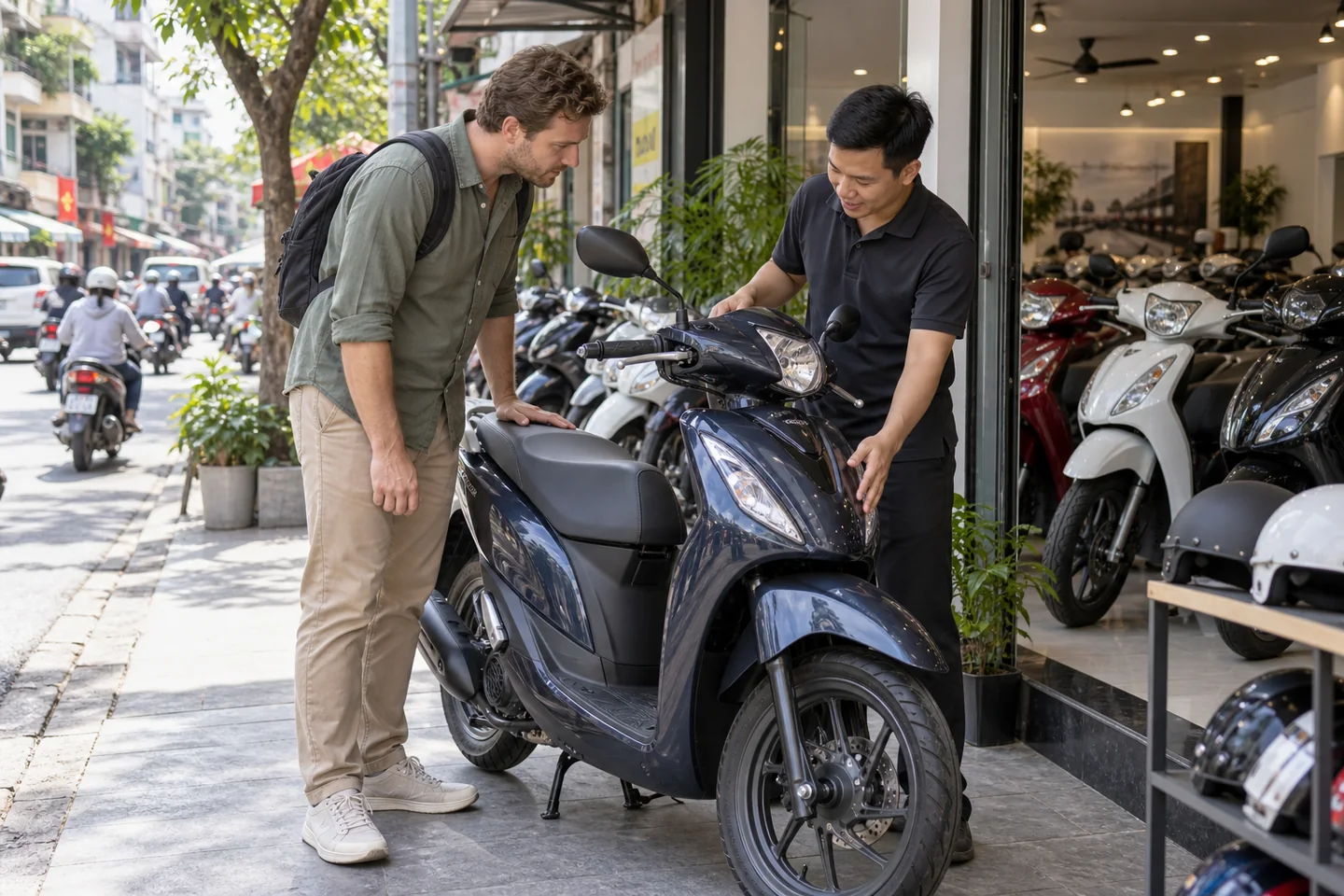
Start with daily constraints rather than a brand name. Record trip distance, expected traffic, passenger or luggage needs, parking space, rider height and service access. The right bike should be easy to control at walking speed, comfortable at repeated stops and practical to secure where it will actually be stored. Sit on each candidate, reach the controls and move it with the engine off before treating specifications as a fit.
Set filters for model or category, approximate year, engine range, location, document status and maximum total cost. Keep money aside for independent inspection, immediate maintenance, tyres, battery, protective equipment and transport. Compare several close alternatives; a single attractive advert does not establish a market price.
Reduce a large result set safely
Save each advert with a timestamp and record the seller’s answers in the same format. Ask for current daylight images, exact variant, displayed mileage, cold-start status, number of keys, service evidence, known faults, accident repairs and the originals expected at handover. Treat mileage and history as claims until supporting evidence and physical wear make sense together.
Do not send a reservation deposit to an unknown party. Pressure based on another buyer, a price available only for minutes, a new payment link or a last-minute meeting change are reasons to pause. A fresh photo can support the claim that the seller has access to the bike, but it does not prove authority to sell it. Avoid circulating complete identity or vehicle numbers in broad chat groups.
Run a disciplined viewing
Choose a bright public place with enough room for inspection and bring an independent mechanic for a significant purchase. Ask for a cold engine. Before starting, inspect tyres, brakes, fork, steering alignment, leaks, fasteners, panel gaps, corrosion and wiring changes. Look for wear that conflicts with the description and photograph agreed defects. Cosmetic replacement may be harmless, but it should lead to questions about why the part changed.
Observe starting effort, idle stability, smoke, warning indicators and unexpected sounds. Test the horn, lights, instruments, locks, suspension and each brake. Have the mechanic identify what is known, what remains uncertain and which further test would resolve it. Separate work required before use from routine maintenance and appearance.
A test ride needs the owner's permission, suitable insurance, confirmed legal entitlement, a safe route and protective equipment. Focus on low-speed control, straight tracking, braking and smooth response. Heavy traffic is not an appropriate place to discover unfamiliar controls. If the necessary conditions are absent, use a controlled mechanical inspection instead.
Verify documents and authority
Check the bike, seller and originals independently from the technical result. Compare physical identifiers with the records without publishing or altering them. If the attending person differs from the recorded party, request evidence of authority and verify the current official process. Possession of the keys or a platform account is not proof of ownership.
Write down the official questions still requiring answers, including applicable registration steps, required attendance and evidence of completion. Save the direct official source and date. Do not let a broker’s confidence, an old forum answer or a clean document photograph replace verification for the particular transaction.
Close the handover without rushing
Record the parties, identifiable bike, condition, known defects, keys, documents, accessories, price, payment method and transfer time in a form both sides understand. Never sign a blank or untranslated form. Confirm a transfer in your own banking application and keep authentication codes private. Agree in advance what happens if a required official step cannot be completed.
Arrange secure parking and a first service appointment before collection. If brakes, tyres, steering or another safety item needs work, transport the bike. Preserve the advert, inspection, handover inventory and payment evidence privately so later maintenance and resale can rely on a clear history.
Before accepting the bike, repeat a final walk-around against the photographs from the viewing. Check that the agreed keys, documents and removable items are present and that no new damage has appeared. Photograph the odometer and condition with consent at the recorded transfer time. During the first days, use familiar routes, avoid carrying a passenger until controls feel predictable and return promptly to the workshop if a warning light, leak, braking change or unusual sound appears.